



Why July’s UV Awareness Month Matters More Than Most People Realize
July is UV Awareness Month, a national reminder that ultraviolet (UV) exposure is the root cause of most skin cancers and that prevention matters long before a sunburn ever appears. The problem is that most people think of sun damage as a short-term issue—redness, peeling, maybe an inconvenient burn after a lake day. In reality, the skin often stays quiet for years while UV exposure slowly builds wrinkles, dark spots, pre-cancers, and skin cancer beneath the surface.
That is what makes UV damage so deceptive. Your skin remembers the cumulative effect of years spent driving, watching sports, walking the dog, gardening, sitting poolside, or running errands on cloudy days. UV exposure is not just a beach problem, and it is not just a vacation problem. The American Academy of Dermatology notes that UV rays can affect your skin every time you go outside, even on cloudy days.
And it is not only about skin cancer. Chronic UV exposure accelerates premature aging, contributes to brown spots and uneven pigmentation, breaks down collagen and elastin, and can also increase risk of eye damage over time. That means the same sun exposure that causes fine lines and weathered skin is also contributing to deeper cellular injury that may later show up as a precancerous lesion, basal cell carcinoma, squamous cell carcinoma, or melanoma.
One of the biggest mistakes people make is assuming they are safe if they “don’t burn easily.” A tan is not protection. It is a sign of skin injury. Another common mistake is believing one layer of sunscreen in the morning lasts all day. It doesn’t. Dermatology guidance continues to recommend a broad-spectrum, water-resistant sunscreen with SPF 30 or higher, with reapplication every two hours outdoors, and sooner after swimming or sweating.
The other issue is that many skin cancers do not look dramatic early on. They are often subtle and easy to dismiss: a small shiny bump, a rough pink patch, a sore that keeps crusting and returning, or a mole that just seems “a little different” from the others. That is why early recognition matters. The spots people ignore too long are often the ones that slowly change, bleed, fail to heal, or simply persist.
This is where July’s message should shift from “don’t get burned” to something more important: protect your skin every day, not just when you expect intense sun. The most effective strategy is layered protection—seek shade, wear sun-protective clothing, use sunglasses and a hat, and apply sunscreen correctly and consistently. The AAD’s core public message for UV Awareness Month is exactly that: seek shade, wear protective clothing, and use SPF 30+ sunscreen.
For readers, the real takeaway is simple: the sun damage you notice today may reflect years of exposure, and the exposure you ignore today may not show up until much later. That is why prevention matters now. Daily habits especially in summer can reduce both visible aging and long-term skin cancer risk. July’s UV Awareness Month is not just about avoiding a burn. It is about protecting the skin you will still be living in decades from now.
Don’t Ignore These Skin Changes
- A spot that bleeds
- A sore that won’t heal
- A rough, scaly patch that keeps returning
- A new shiny or pearly bump
- A mole that is changing in size, shape, or color
- A spot that looks different from all your others
If something keeps coming back, keeps crusting, or just looks “off,” it is worth getting checked.
The 5 Biggest Sunscreen Mistakes
- Using too little
- Forgetting to reapply every 2 hours
- Missing the ears, scalp, lips, chest, hands, and feet
- Relying on makeup SPF alone
- Skipping sunscreen on cloudy days
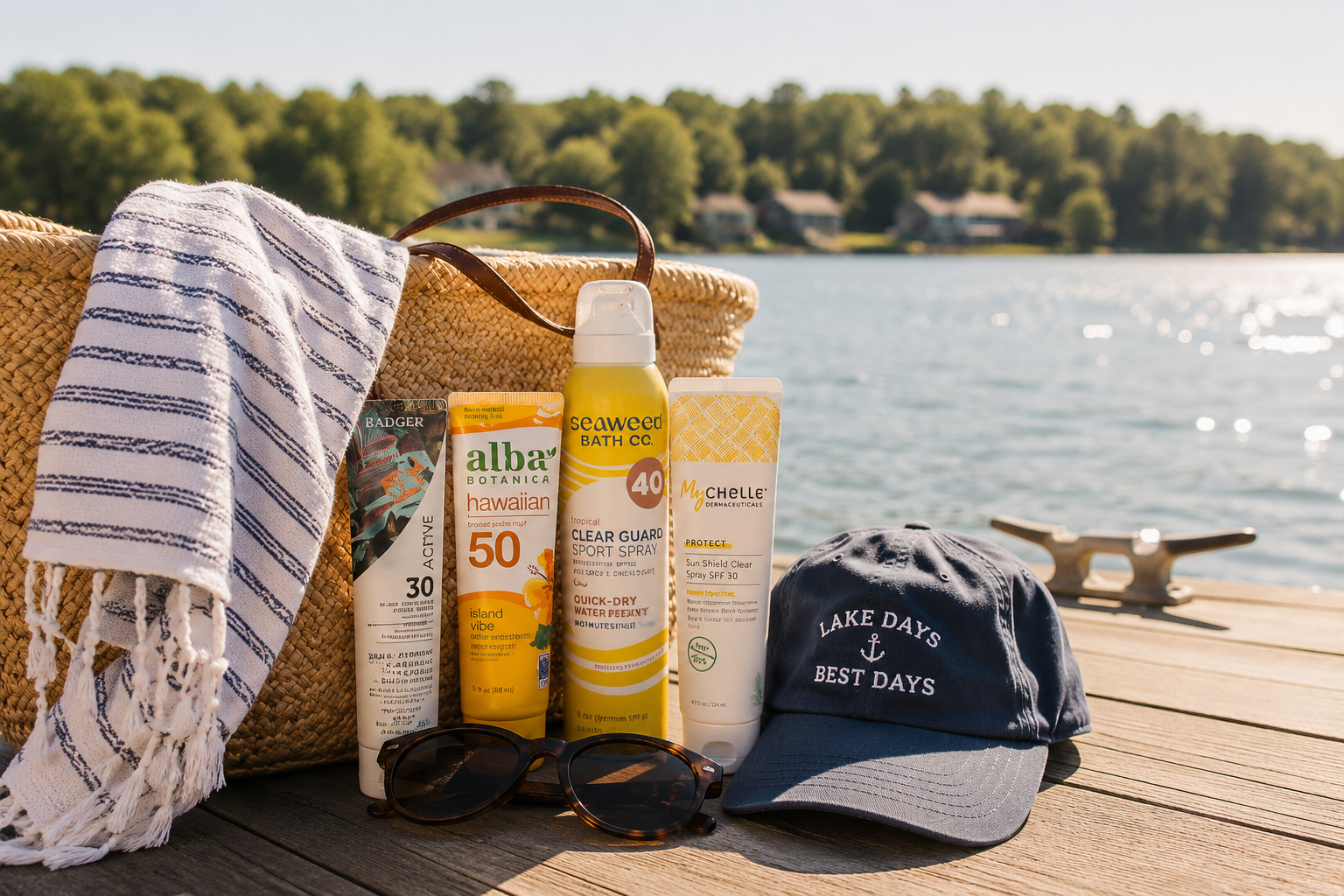
Find These Better-For-Your Skin Sunscreen Brands at Peter’s Cornucopia in New Hartford
Badger
Alba Botanica
Seaweed Bath Co.
MyChelle Dermaceuticals
From mineral-based everyday SPF to reef-conscious sport sprays and sensitive-skin formulas, Peter’s Cornucopia carries a range of sunscreen options focused on cleaner ingredients and broad-spectrum protection. UV protection is not just for beach days. Daily SPF matters year-round, especially during the summer months when cumulative sun exposure adds up faster than most people realize.
