



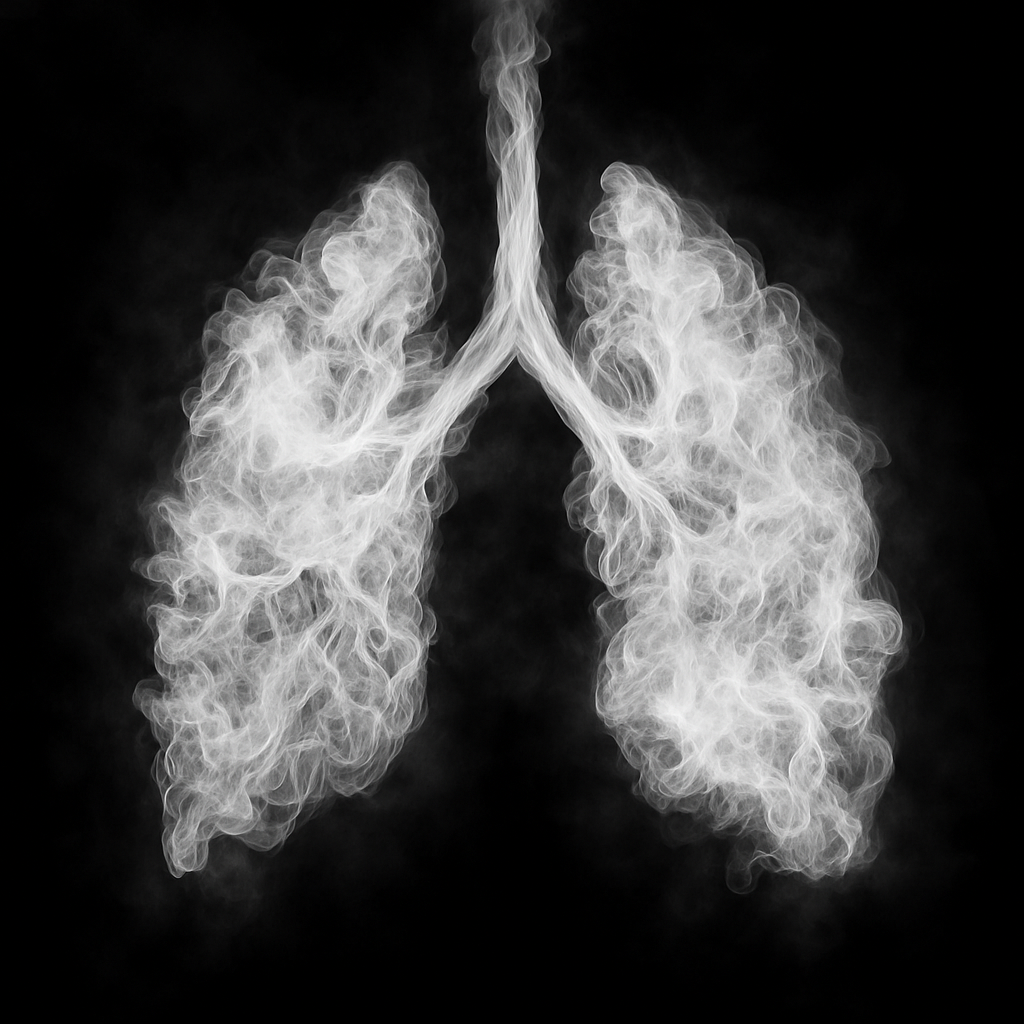
November is Lung Cancer Awareness Month, and every year I see patients walk through the ER doors convinced that vaping is the “safe” alternative to cigarettes. The truth? It’s not that simple.
A Shocking Reality
Depending on the device and strength, a single vape pod can deliver as much nicotine as an entire pack of cigarettes, often without users realizing it. Most teens who pick up vaping have no idea that in just a few puffs, they’re exposing their brain to more nicotine than most adults ever did starting out with cigarettes. Nicotine is one of the most addictive substances on earth, more addictive than heroin in terms of how quickly it hijacks the brain’s reward pathways.
And here’s something even more disturbing: while the 2019 outbreak of vaping-related lung injuries (known as EVALI) made headlines for sending thousands, some as young as 17, to hospitals gasping for air, the story didn’t end there. Even today, we continue to see patients with severe lung inflammation, unexplained respiratory symptoms, and airway damage linked to vaping products. Many of them genuinely believed they were making a healthier choice, until they found themselves struggling for oxygen.
What Vaping Doesn’t Tell You
Vaping products don’t contain tar, but they do contain chemicals like formaldehyde (yes, the same chemical used to preserve cadavers) and diacetyl, which is linked to “popcorn lung,” a scarring disease of the small airways that causes chronic cough and shortness of breath. And unlike cigarettes, vaping liquid comes in candy-like flavors that are tailor-made to hook kids.
On the flip side, we know the risks of smoking all too well: smoking causes 1 in 5 deaths in the U.S. every year, damages nearly every organ system, and remains the leading cause of preventable cancer. So yes, smoking is worse, but “less deadly” doesn’t mean safe.
The Myth of Quitting With Vapes
Many smokers tell me they started vaping to quit cigarettes. But here’s the catch: most become “dual users,” still smoking while also vaping, keeping nicotine addiction alive and kicking. Compare that to FDA-approved options such as patches, gum, lozenges, and medications that have decades of evidence proving they can double or even triple your chances of quitting successfully.
Secondhand Risk: Not Just Smoke
We don’t talk enough about the secondhand vapor problem. It may look harmless, but those tiny particles contain nicotine and toxins that can irritate the lungs, trigger asthma attacks, and affect heart health. For children, there is no safe level of exposure.
My Message as a Physician
If you’re vaping because you think it’s harmless, you’re gambling with your lungs. If you’re smoking, you already know the odds. Either way, the best decision is to break free altogether. Talk to your doctor, use the tools we know work, and don’t wait until you or your kids are sitting in an ER struggling to breathe.
Quitting is hard, but I promise you: every cigarette you don’t smoke, and every vape you don’t inhale, gives your body a chance to heal. And that’s a fact worth sharing this November.
