



What Every Parent, Athlete, and Coach Should Know About Concussions This Fall
By Dr. Juleen Qandah
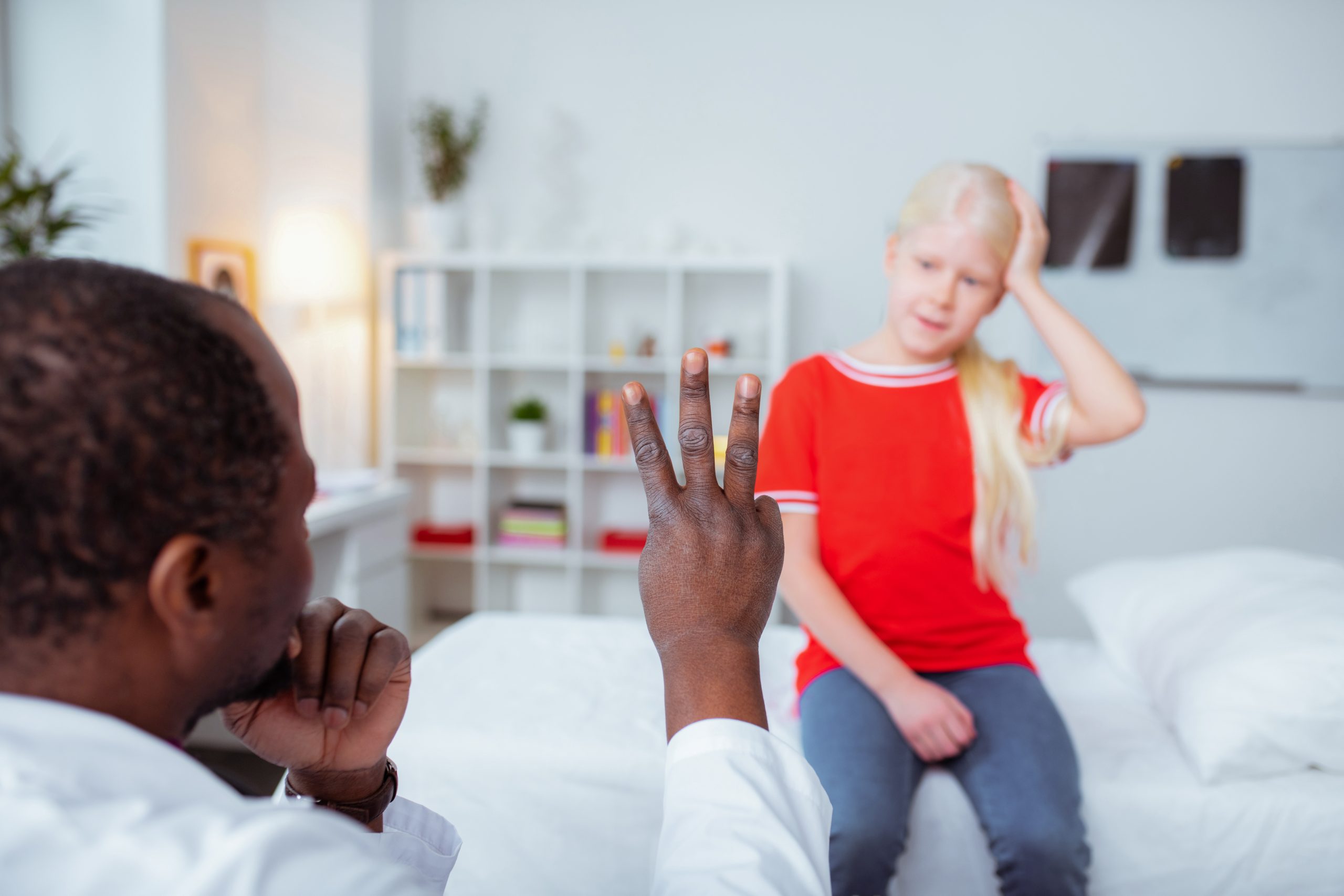
September in Central New York means sports are back.
Stadium lights. Soccer fields. Volleyball courts. Cheerleading mats. Packed sidelines. Weekend tournaments. And somewhere, right now, a teenager is saying:
“I’m fine, Coach.”
Even though they may not be.
As an ER physician, I see concussion season arrive every fall. And despite better awareness, many families still misunderstand what a concussion actually is. It is not simply “getting your bell rung.” It is not always dramatic. And it does not require being knocked unconscious.
A concussion is a brain function injury.
That distinction matters.
The brain is an extraordinary organ: about three pounds, roughly 86 billion neurons, and trillions of connections coordinating everything from balance and memory to mood, judgment, and reaction time. It also has the consistency of gelatin and sits suspended in fluid inside the skull.
During a concussion, the brain can rapidly accelerate, rotate, or shift inside the skull. Even when there is no bleeding, fracture, or visible abnormality on a CT scan, that sudden movement can disrupt the brain’s electrical signaling and metabolism.
In other words, the brain’s operating system temporarily glitches.
That is why symptoms can look so different from one athlete to another.
A concussion may cause headache, dizziness, nausea, blurred vision, balance problems, sensitivity to light or noise, fatigue, confusion, slowed thinking, memory issues, irritability, anxiety, emotional swings, or sleep changes. Symptoms may appear immediately or unfold over several hours.
Parents often notice the most important sign before an athlete says anything out loud:
“They just don’t seem like themselves.”
Believe that instinct.
Teenagers are especially tricky because many do not want to leave the game. They may minimize symptoms, hide dizziness, or insist they are fine because the team needs them. But the teenage brain is still developing. The frontal lobe, which helps with judgment, impulse control, planning, and emotional regulation, is one of the last regions to fully mature, often not until the mid-20s.
This helps explain both teenage confidence and teenage decision-making. It also means young athletes deserve extra caution after a head injury.
The most important rule is simple:
No athlete with a suspected concussion should return to play the same day.
A second head injury before the brain has recovered can be dangerous. While rare, severe brain swelling after a repeat injury can be catastrophic. No championship, tournament, rivalry game, or senior season moment is worth permanent neurologic harm.
Recovery from concussion is also not one-size-fits-all. Many adults improve within one to two weeks, while adolescents may take longer. Symptoms can worsen with poor sleep, dehydration, stress, loud environments, too much screen time, or returning to activity too quickly.
Years ago, concussion care often meant sitting in a dark room for a week. We now know prolonged total isolation is usually not best. Modern recovery usually involves short-term rest, hydration, sleep, symptom monitoring, gradual return to school, and gradual return to exercise.
The key word is gradual.
Another common ER question is: “Shouldn’t we get a CT scan?”
Sometimes, yes. But often, no.
A concussion is usually a functional injury, not a structural one. CT scans look for emergencies such as bleeding, skull fracture, swelling, or other serious trauma. A normal CT does not rule out a concussion. And because CT scans involve radiation, especially important in children, physicians use them carefully.
Red flags that deserve urgent medical evaluation include repeated vomiting, worsening headache, seizure, confusion that is getting worse, difficulty waking up, weakness, numbness, slurred speech or loss of consciousness.
Sports are incredible for kids. They build discipline, resilience, friendships, confidence, teamwork, and memories that last a lifetime.
But brains only come in one model.
This fall, if something seems off, say something. Pull the athlete. Get them evaluated. Let the brain recover.
Toughness is not pretending the brain is fine.
Real toughness is protecting it.
SIDEBAR: Concussion Red Flags
Go to the ER immediately if an athlete has:
- Repeated vomiting
- A headache that is getting worse
- Seizure
- Confusion that worsens over time
- Trouble waking up
- Weakness, numbness, or trouble walking
- Slurred speech
- Loss of consciousness
- Any behavior that feels suddenly “not like them”
When in doubt, pull them from play and have them evaluated. No game is worth gambling with the brain.
