




The Profession That Helps People Live Life Fully
By Carrie Byrne Putelo
Every April, Occupational Therapy Month shines a light on a profession that quietly changes lives every single day.
Occupational therapy is rooted in one powerful belief: participation matters. Whether that means helping a child succeed in the classroom, guiding a stroke survivor back to independence, supporting an older adult aging safely at home, or empowering someone to return to work after injury, occupational therapists focus on what people need and want to do and help them do it.
OT is not just rehabilitation. It is restoration, adaptation, prevention, and possibility.
Across the Mohawk Valley, occupational therapists are working in hospitals, outpatient clinics, schools, mental health settings, skilled nursing facilities, and community programs. They address physical challenges, cognitive changes, emotional health, sensory processing differences, and environmental barriers. They teach strategies, recommend adaptive equipment, modify environments, and design interventions that are practical and deeply personal.
Occupational therapy meets people exactly where they are and helps them move forward.
A Program Shaping the Future of OT
At the heart of that work locally is Utica University, home to a highly respected Occupational Therapy program preparing the next generation of clinicians.
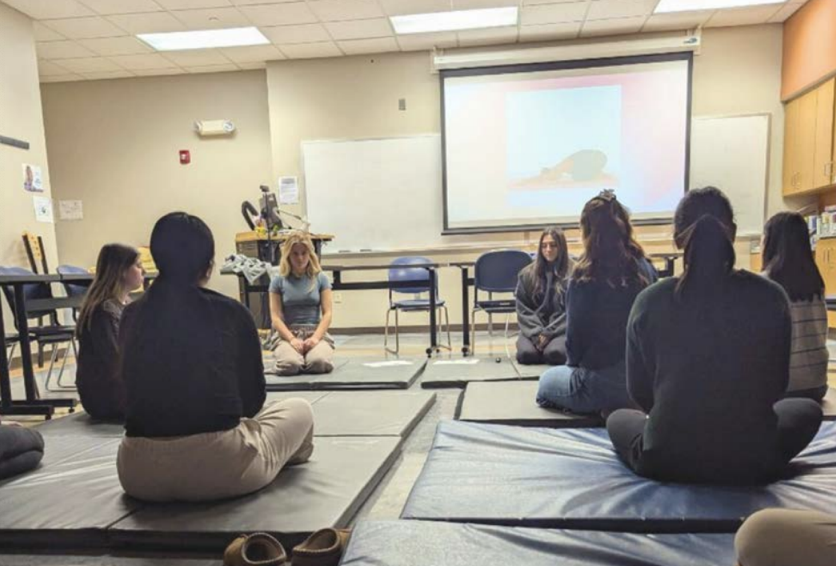
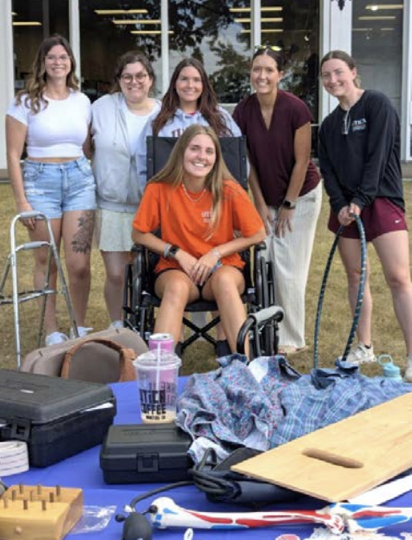
The program blends rigorous academic coursework with hands-on clinical experiences, preparing students to practice across diverse settings. Students engage in evidence-based learning, simulated lab experiences, community-based projects, and Level I and Level II fieldwork placements that translate classroom knowledge into real-world skill.
Dr. Colleen M. Sunderlin, PhD, OTR/L, a licensed occupational therapist for 38 years and in academia for 31 years, shares, “Whether acquired at birth or at another stage in life, health conditions impact daily routines, roles, and one’s ability to fully engage in life. Occupational therapists listen to the narrative and collaborate with individuals, families, and other key players to achieve meaningful goals. April is the month we pause to celebrate our profession, which devotes itself year-round to making a difference in the lives of others. It is truly a privilege to be part of this profession.”
Faculty bring decades of combined experience in pediatrics, neurorehabilitation, hand therapy, mental health, and community practice. Students graduate prepared not only to treat, but to lead, advocate, research, and innovate.
In a healthcare landscape increasingly focused on outcomes and quality of life, occupational therapy plays an essential role. Utica University continues to shape professionals who are ready to meet that need and serve our community with both competence and compassion.
Lila Putelo, a Utica University occupational therapy student, shares, “Occupational therapy played a huge role in my life when I was younger, and I saw firsthand how the right support and encouragement can help someone grow. Now, as a first-year master’s student in the Occupational Therapy program at Utica University, I’m able to help others the same way occupational therapy helped me back then. My hope is to work with both children and adults and help people overcome challenges, build independence, and participate in the occupations that make their lives meaningful.”
Why Occupational Therapy Matters
Occupational therapy is distinct because it looks at the whole person. Rather than focusing solely on a diagnosis, OT examines how a condition affects daily life. Can someone dress independently? Return to their job? Safely cook a meal? Participate in school? Drive? Engage socially?
When those everyday activities are disrupted, identity can feel disrupted too. Occupational therapists work to rebuild not only function, but confidence.
They use therapeutic exercises, task-based activities, adaptive strategies, orthotics, sensory integration, cognitive rehabilitation, environmental modifications, and assistive technology to help clients regain independence. Just as importantly, they collaborate with families, teachers, physicians, employers, and caregivers to ensure long-term success.
OT is where science meets humanity, and in many ways, where hope meets action.
Raymond A. Alessandrini, OTR/L, who has practiced since 1991 and specializes in outpatient hand therapy at Inertia, says a quote from Winston Churchill perfectly captures the philosophy behind their work: “Continuous effort, not strength or intelligence, is the key to unlocking our potential.”
Looking Ahead
As healthcare continues to evolve, occupational therapy remains essential. From early intervention to aging in place, from mental health support to advanced neurological rehabilitation, OT practitioners are expanding access, improving outcomes, and redefining what independence can look like.
This Occupational Therapy Month, we celebrate the clinicians, educators, and students across the Mohawk Valley who are helping people return to what matters most.
At its core, occupational therapy is about living fully, meaningfully, and with purpose.
