


Advanced care. Surgical expertise. One team from diagnosis through recovery.
A comeback may mean walking comfortably, returning to work, keeping up with grandchildren or finding a clear path after a difficult diagnosis. At CNY Brain & Spine, those goals help shape the plan. Led by Dr. Nicholas Qandah, a board-certified neurosurgeon with fellowship training in complex spine surgery at University of Washington-Harborview, our team brings diagnostic imaging, nonsurgical care, advanced spine surgery, brain and vascular neurosurgery, pain treatment and follow-up together. The goal is not to offer the most procedures. It is to understand the diagnosis, explain the options and choose the least disruptive treatment that appropriately addresses the problem.
Experience. Precision. Judgment. | Care for the brain and spine.
ACCESS & COMMUNITY
Thank you, Mohawk Valley.

Thank you to the Mohawk Valley and beyond for trusting us with your care. Across more than five regional locations, our administrative and clinical teams coordinate appointments, diagnostic testing, authorizations and follow-up. We listen to patients and referring clinicians, explain the next steps and help connect services that can otherwise feel difficult to navigate. From the first call through recovery, our commitment is responsive access, clear communication and care closer to home.
SURGICAL JUDGMENT
Advanced training behind every decision.
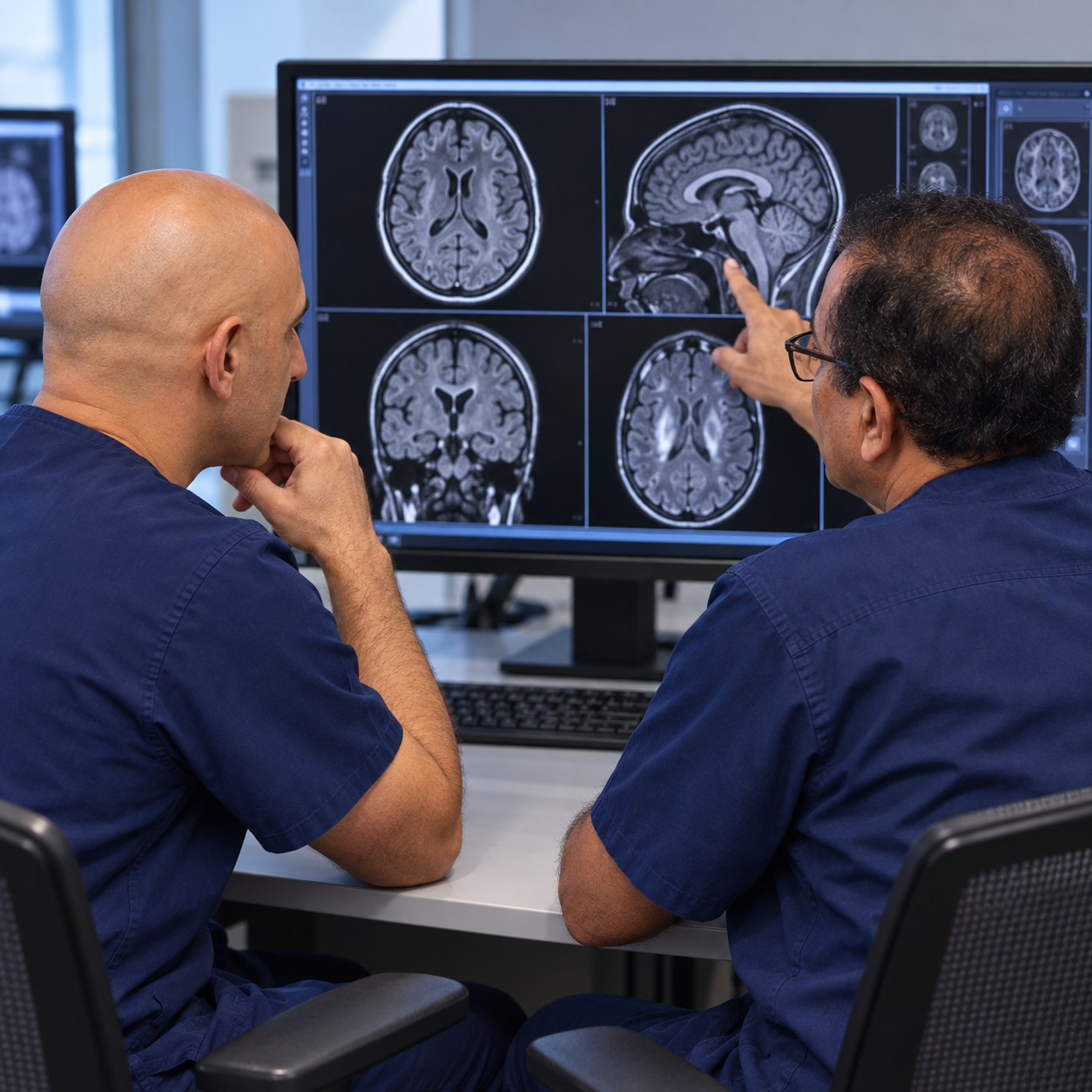
Brain and spine surgery demand exceptional training, precision and judgment. Dr. Qandah and Dr. Krishnamurthy are board-certified neurosurgeons, supported by a highly trained team experienced in complex cranial and spinal care. Every consultation considers the full range of options – from observation and nonsurgical care to minimally invasive procedures and complex surgery. Technology can assist a surgeon. It cannot replace the judgment to know when, how and whether to operate.
ROBOTIC & ENDOSCOPIC SPINE CARE
Advanced techniques. Years of training behind them.

Dr. Qandah’s endoscopic experience began during fellowship training at University of Washington-Harborview, a program recognized for early U.S. leadership in full-endoscopic spine surgery. He has incorporated endoscopic and minimally invasive techniques into his spine practice since fellowship. Today, CNY combines that experience with Globus ExcelsiusGPS robotic guidance and advanced navigation. Endoscopy, robotics and microsurgery are different tools for different problems. The surgeon determines whether a minimally invasive approach, reconstruction, disc replacement or nonsurgical treatment best fits the patient. The goal is not the smallest incision; it is the right operation through the least disruptive appropriate approach.
BRAIN SURGERY & VASCULAR CARE
World-class brain surgery. Advanced vascular care.
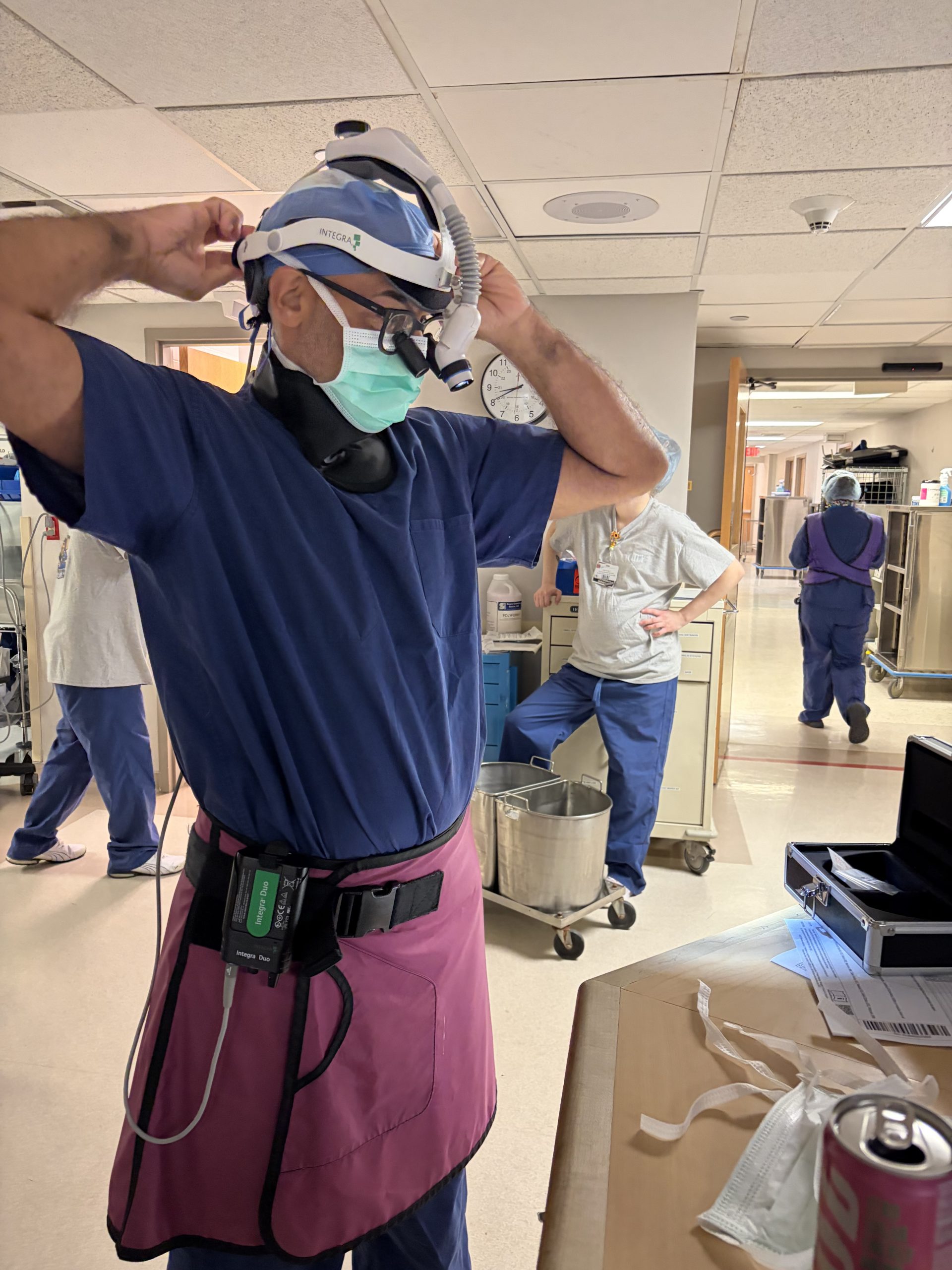
CNY Brain & Spine provides world-class open and minimally invasive surgical care for brain tumors, hemorrhages, aneurysms, arteriovenous malformations and other vascular lesions. Advanced imaging, image-guided cranial navigation and multidisciplinary Neuro-Oncology Tumor Board review support precise, individualized treatment. Our neurosurgical team selects the safest, least disruptive approach for each patient and coordinates every step, from diagnosis and surgical planning through recovery and follow-up.
DISC REPLACEMENT PROGRAM
Preserving motion when anatomy allows.
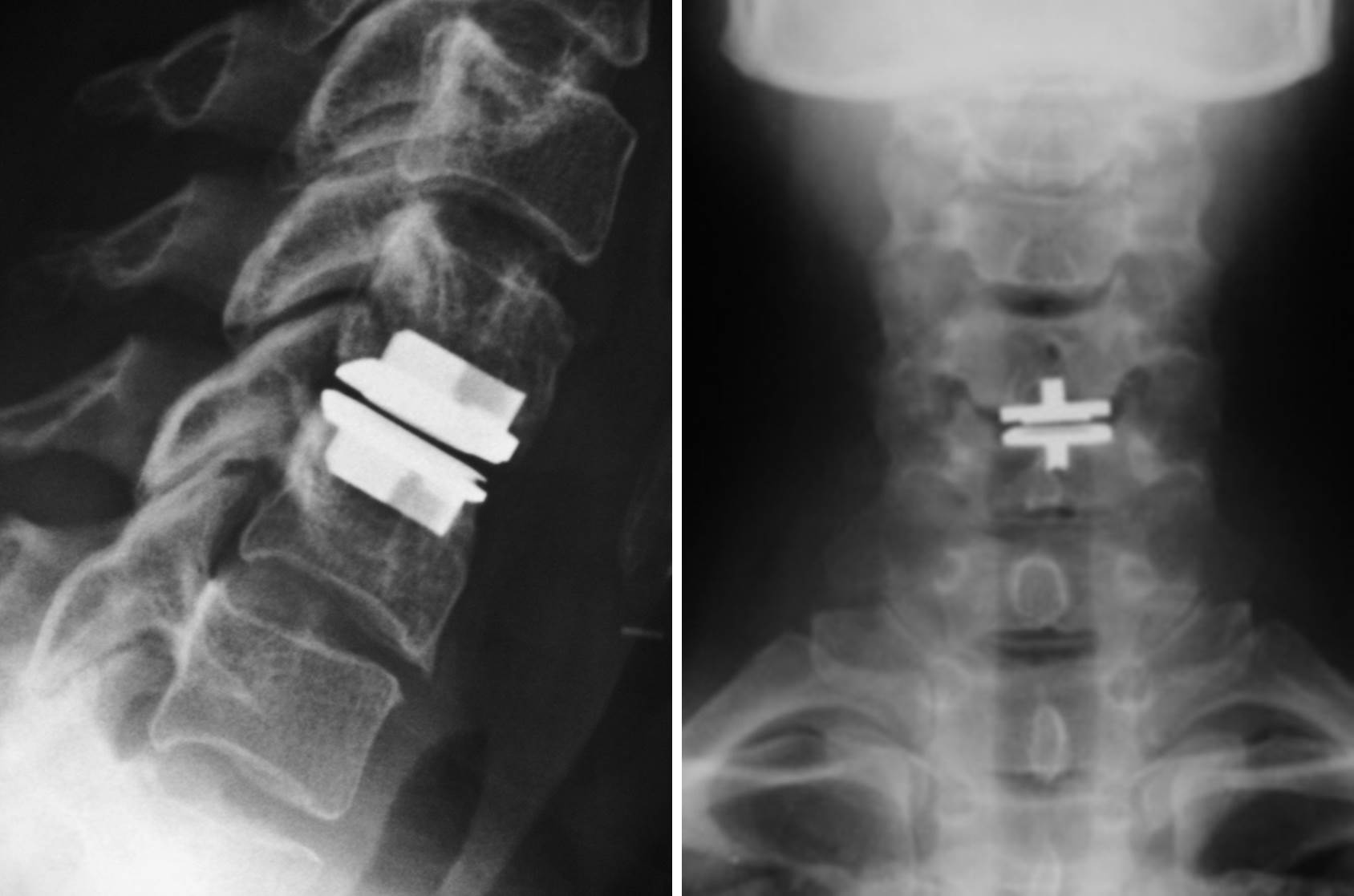
For appropriately selected patients, cervical or lumbar artificial disc replacement may offer an alternative to fusion while preserving motion at the treated level. Candidacy depends on symptoms, imaging, alignment, facet-joint health, bone quality and prior treatment. The expertise is not simply knowing how to implant a disc; it is knowing when motion should be preserved, when stabilization is necessary and when surgery is not the right choice.
CNYBrainAndSpine.com | 315-792-7629
Clarity. Options. A team that stays with you.
3T MRI, EOS, 7D & NERVE TESTING
Diagnosis before treatment.

Dr. Syrotynski and our diagnostic team use 3T MRI, standing EOS imaging, EMG and nerve-conduction studies to capture detailed structural and functional data. Our machine-vision systems correlate those testing results with each patient’s symptoms and examination, helping accurately target the source of the problem and guide care. 7D machine-vision registration also supports surgical navigation. Ask about same-day or same-week MRI appointments, subject to availability and authorization.
Imaging is information. Expertise turns it into a plan.
MINIMALLY INVASIVE PROCEDURES & REGENERATIVE CARE
More options. One reason for each.
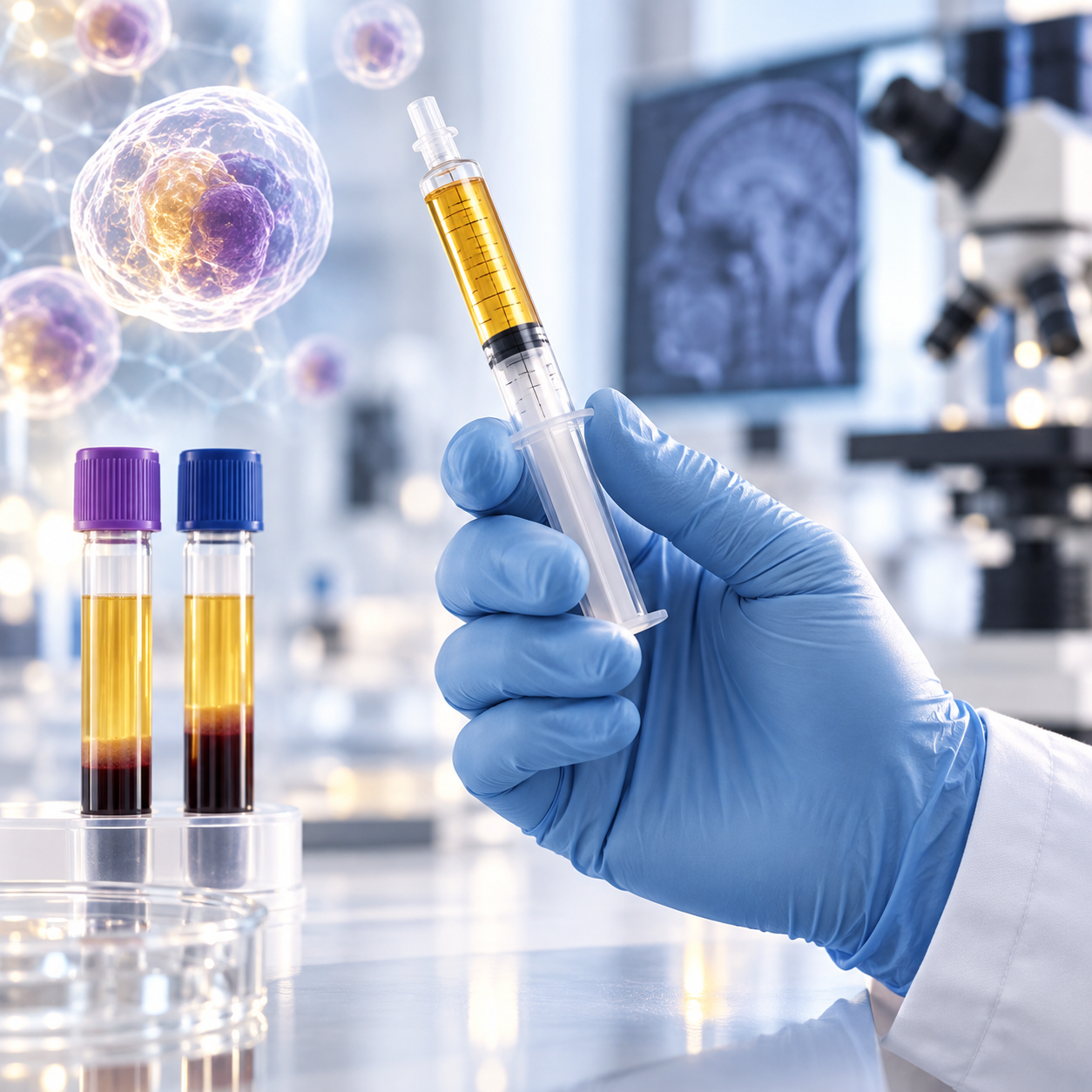
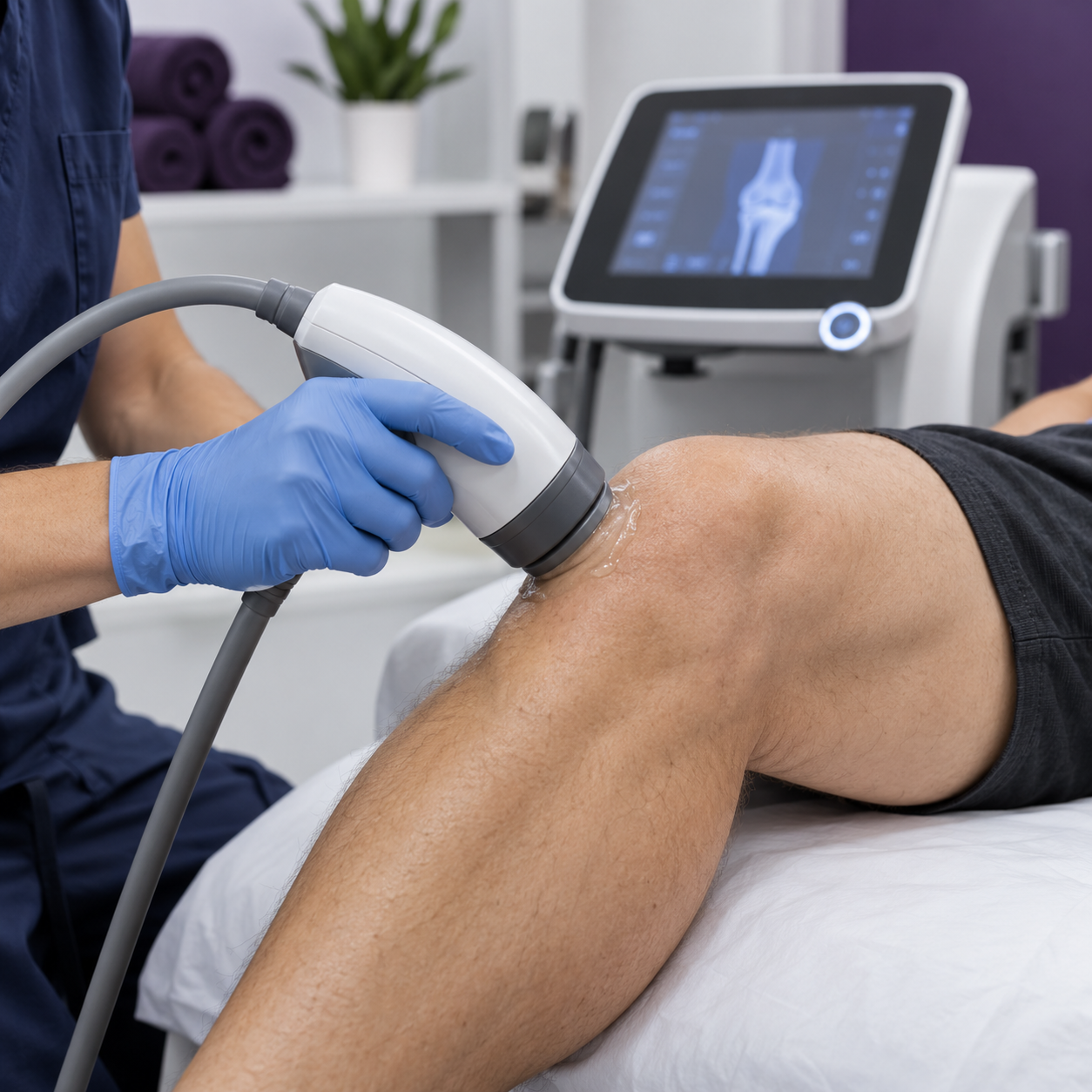
Every treatment begins with a diagnosis and a defined purpose. For selected patients, image-guided injections, mild®, endoscopic decompression, interspinous-interlaminar fixation and kyphoplasty may address specific causes of pain, stenosis, fracture or instability without defaulting to larger surgery. Regenerative options such as PRP and BMAC are evaluated separately and with realistic expectations; evidence and regulatory status vary by indication. These treatments are not interchangeable and are not guaranteed to regrow tissue. The question is not whether CNY can offer a procedure. It is whether that procedure makes sense for the patient’s anatomy, health, goals and evidence. When it does not, the plan changes.
More options matter only when they are matched to the right diagnosis.
NEUROMODULATION & STIMULATION
Another path toward function.
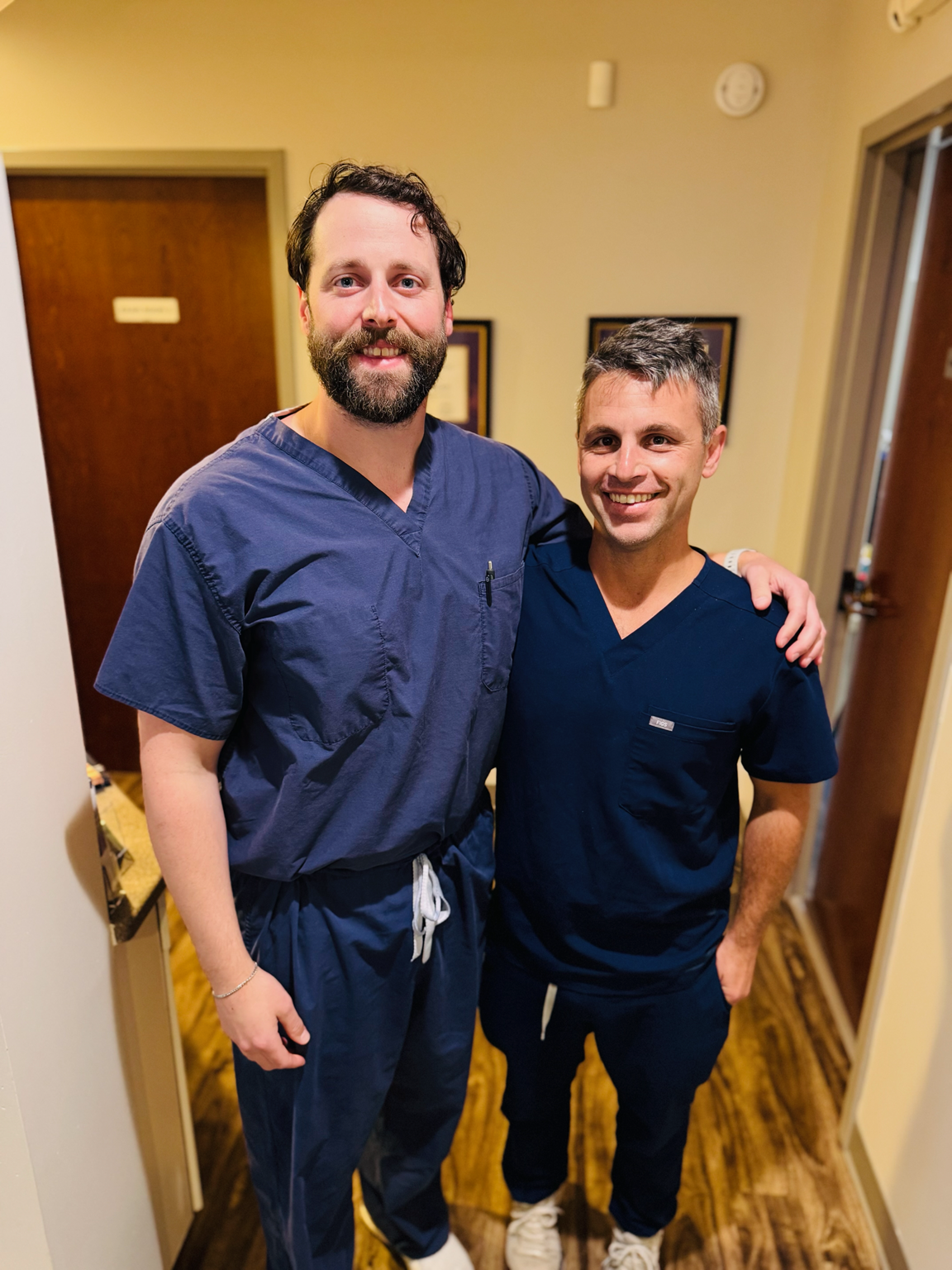
Peripheral nerve stimulation (PNS) and spinal cord stimulation (SCS) modify pain signaling for selected patients with persistent nerve-related or musculoskeletal pain, including some who are not candidates for conventional spine surgery. Evaluation considers prior treatment, functional goals, device-related risks and follow-up needs. Depending on the system, care may involve a temporary treatment or trial, implantation, programming and ongoing review. Relief varies; the goal is meaningful function, not a promise.
ONE COORDINATED PATHWAY
The treatment should fit the diagnosis.
Diagnostics • nonsurgical care • intervention • surgery • follow-up
The advantage of comprehensive brain, spine and pain care is not having more procedures. It is having the expertise to decide which procedure, if any, a patient actually needs. CNY connects diagnostics, interventional treatment and board-certified neurosurgical care in one coordinated pathway. When nonsurgical care is appropriate, we pursue it. When a minimally invasive option can address the problem, we consider it. When complex surgery is necessary, patients have access to fellowship-trained neurosurgical expertise. The treatment should fit the diagnosis – never the other way around.
QUESTIONS TO BRING TO YOUR CONSULTATION
What is my diagnosis? • Who will perform my procedure? • What training and experience does that clinician have? • Is a less invasive option appropriate? • What are my nonsurgical alternatives? • How are complications managed? • What happens if treatment does not help?
New Hartford: 83 Genesee Street | Rome: 91 Perimeter Road
CNYBrainAndSpine.com | 315-792-7629
