




By Dr. Juleen Qandah, MD
Winter in the Mohawk Valley brings snow, ice, flu season, and plenty of moments where people
pause and wonder if they should seek medical care or wait it out. One of the most common
questions I hear in both my professional life and everyday conversations is simple. Do I need the emergency room or can I go to urgent care?
The answer matters more than most people realize. Choosing the right place can mean faster
care, lower cost, and better use of local medical resources. Choosing the wrong place can lead to long waits or delayed treatment.
I have worked on both sides of this question. I am an emergency physician and previously served as the medical director of an urgent care center. I have seen everything from sore throats to strokes. That experience has shown me where confusion often happens and how easy it is to feel unsure in the moment.
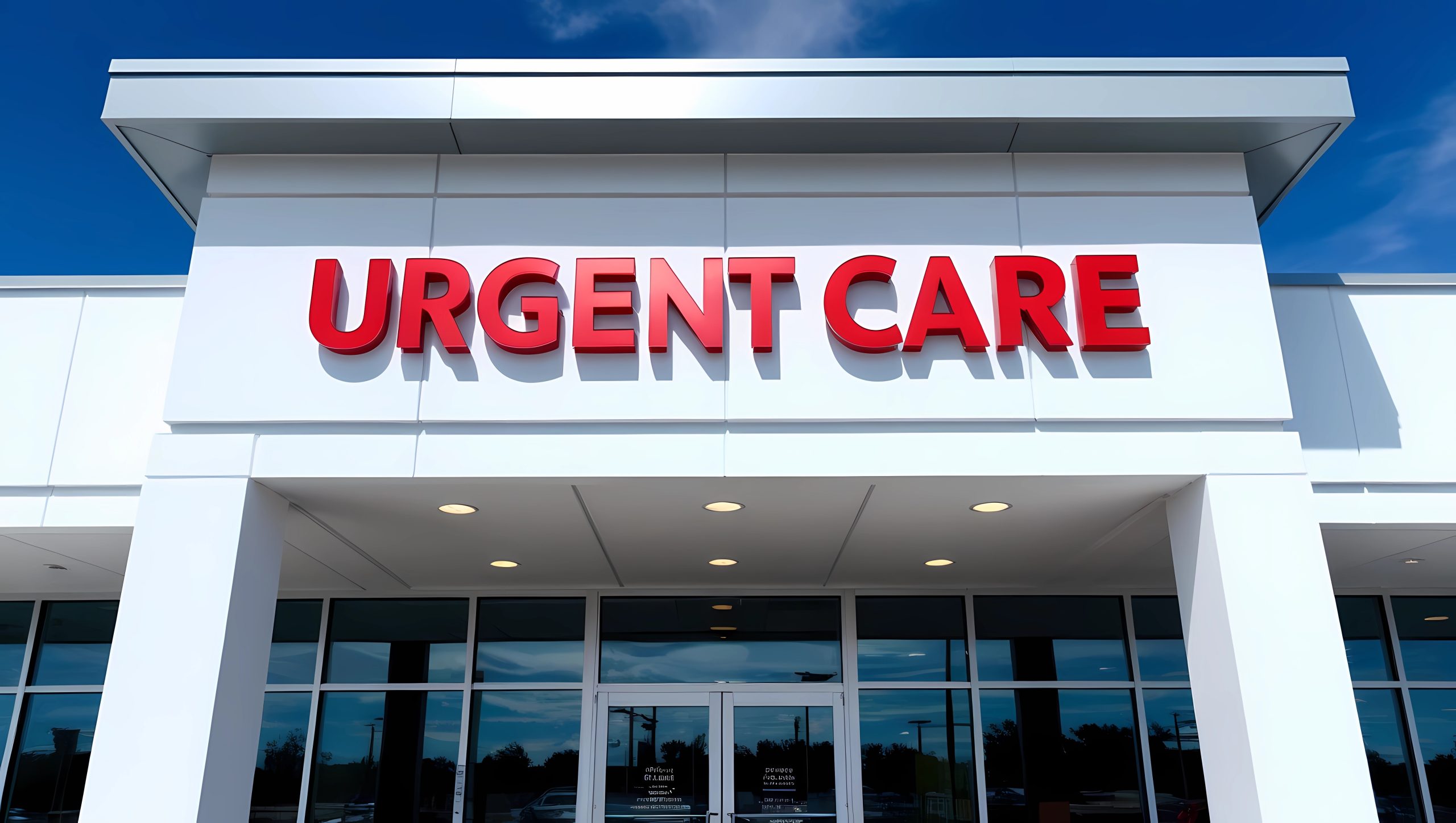
Urgent care centers treat medical issues that need attention but are not life threatening. They are designed to move quickly, cost less than an emergency room, and fill the gap when your primary care office is closed. Urgent care is a good choice for colds, flu, sore throats, ear infections, urinary tract infections, minor cuts, sprains, simple fractures, mild asthma symptoms, rashes, pink eye, fevers in otherwise stable children or adults, and stomach bugs without severe dehydration. Most urgent care centers can perform X rays for simple injuries, basic lab tests, EKG screening, limited IV fluids, wound care, and prescriptions. If you feel uncomfortable but stable, urgent care is often the right first step.

Emergency departments exist for serious, sudden, or life threatening conditions. They are equipped for heart attacks, strokes, major injuries, and critical illness at any hour of the day. The emergency room is the right choice for chest pain, shortness of breath, stroke symptoms, severe abdominal pain, uncontrolled bleeding, head injuries with confusion or loss of consciousness, major falls or car accidents, severe allergic reactions, seizures, fainting, or very ill infants.
Emergency departments also provide advanced imaging, full cardiac evaluations, stroke treatment, trauma care, emergency surgery, blood transfusions, and critical stabilization. If something feels sudden, severe, or frightening, trust that instinct and go to the emergency room. Emergency rooms care for the sickest patients first. That means minor illnesses can wait behind true emergencies. Urgent care is designed for efficiency. Using urgent care appropriately helps reduce wait times, lowers out of pocket costs, keeps emergency departments available for critical patients, and gets you treated and home faster. This is not about overreacting. It is about getting the right care in the right place at the right time.
Emergency Room (ER)
Best for life-threatening or high-risk emergencies.
Go to the ER if you have:
Chest pain, shortness of breath, or stroke symptoms such as face droop, arm weakness, or speech trouble
Severe abdominal pain or uncontrolled bleeding
Head injury with loss of consciousness
High-speed car accidents or major trauma
Seizures or severe allergic reactions
Very high fever in infants, or fever with confusion
Severe dehydration, fainting, or altered mental status
What the ER offers:
24/7 care
Full imaging including CT, MRI, and ultrasound
On-site labs and blood bank
Specialists such as surgery, cardiology, and neurology
Ability to admit patients to the hospital
Downsides:
Longer wait times, as patients are seen based on medical urgency
Highest cost of care
Urgent Care
Best for non-life-threatening conditions that need same-day attention.
Good for:
Colds, flu, COVID, or strep throat
Ear or sinus infections
Minor cuts that may need stitches
Sprains or simple fractures
Mild asthma flare without severe breathing distress
Urinary tract infections
Rashes or pink eye
Mild dehydration when able to drink fluids
What urgent care offers:
Faster visits
Lower cost than the ER
X-rays and basic lab testing
IV fluids, medications, and sutures
Limitations:
No CT or MRI
No ICU or surgical teams
Limited hours, as not all locations are open 24/7
More serious conditions will be referred to the ER
If you are ever truly unsure and something feels wrong, choose the emergency room. It is always better to be safe. For everyday illnesses and minor injuries, urgent care is often the smartest and most efficient option. Most people do not need more medicine. They simply need the right setting. Knowing the difference helps you care for yourself and your family with confidence, especially during long Mohawk Valley winters.
