


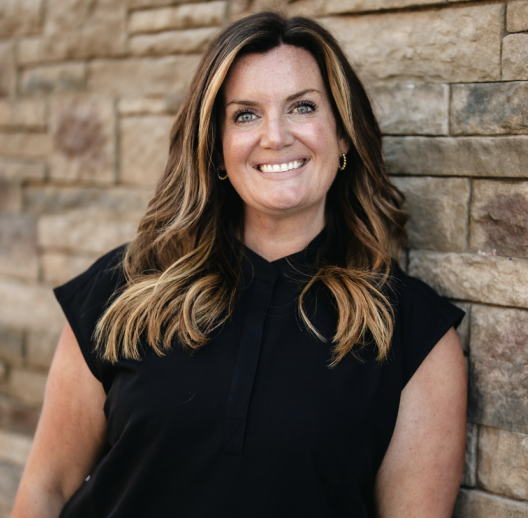
A Conversation with Amanda Stewart, FNP-BC
By Carrie Byrne Putelo
We usually think about personalized care in terms of our health history, symptoms and the medications we’re taking. But there may be another piece of information worth considering: our Genetics. For this month’s MV Beauty, I talked with Amanda Stewart, FNP-BC, of Amanda Stewart Family Health Nurse Practitioner PLLC about pharmacogenomic testing, what it can tell us, and how she is incorporating it into her practice.
Carrie: Let’s start with the basics. What exactly is pharmacogenomic testing?
Amanda: Pharmacogenomic, or PGx, testing looks at gene-drug interactions that may influence how your body responds to certain medications. It isn’t meant to give us all the answers. It gives us another layer of information that we can consider along with your medical history, current medications and individual health needs.
Carrie: What might make someone consider this type of testing?
Amanda: It may be worth exploring for someone who has gone through a lot of medication trial and error, experienced difficult side effects, takes multiple or complex medications, or feels that certain medications
simply haven’t been effective. It may also be helpful when there are concerns about medication interactions or someone is looking for a more personalized approach to their healthcare.
Carrie: So, this isn’t a test that simply tells someone which medication they should take?
Amanda: No. That’s an important distinction. The results need to be looked at in the context of the whole person. The goal isn’t to replace your primary care provider or specialists. It’s to give your healthcare team additional information to consider when making medication decisions.
Carrie: What does the process look like through Precision Health BlueprintTM?
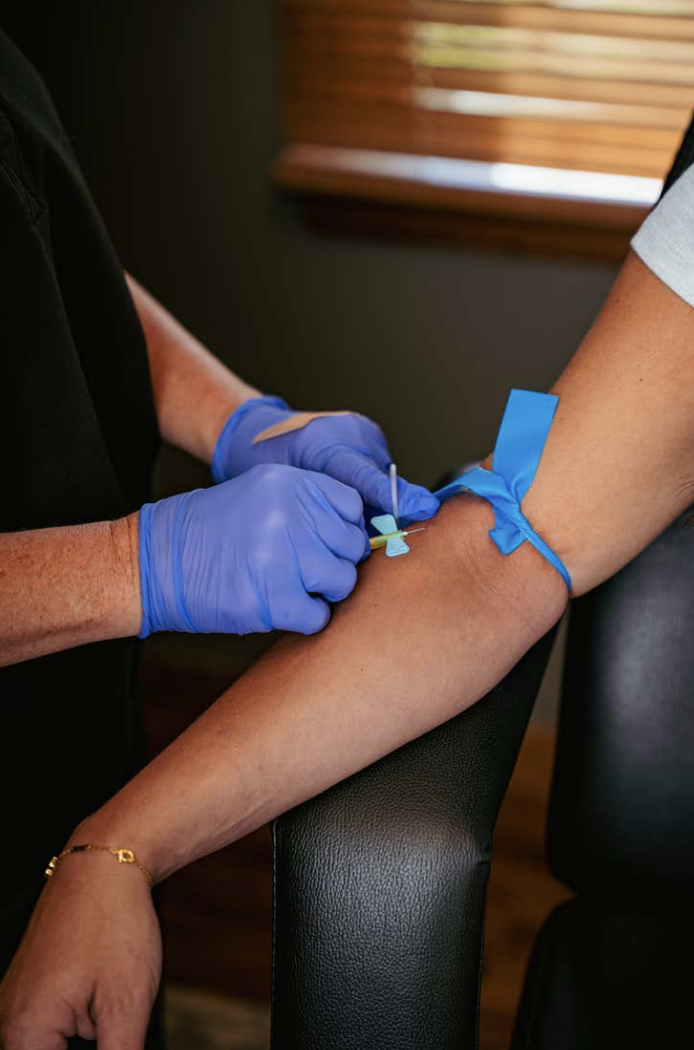
Amanda: We begin with a comprehensive intake that looks at medical history, medications, supplements, family history, symptoms and health goals. From there, OneOme RightMed® testing is used to evaluate relevant gene-drug interactions. I review those results in the context of the patient’s actual health and medications, rather than looking at the genetic information in isolation. The patient then receives an individualized blueprint that can help guide future conversations about medications and healthcare. When appropriate, that can also include coordination with their established primary care provider, specialists and clinical pharmacy resources.
Carrie: What do you hope patients take away from having this information?
Amanda: My hope is that it gives patients and their healthcare providers another useful piece of the puzzle. Healthcare is very personal, and the more relevant information we have, the better conversations we can have about a person’s care.
I love having the chance to sit down with local providers like Amanda and learn more about the work they’re doing. What I appreciated most was her focus on the person behind the prescription: taking the time to listen, ask questions and understand how all the pieces fit together. For more information: visit AmandaStewartFNP.com.