

As conversations around food continue to evolve, more people are asking an important question: Where does my food come from?
Across the Mohawk Valley, a growing number of residents are looking beyond grocery store shelves and seeking stronger connections to the farms, producers, and small businesses that help feed our communities. That is where Local Foods Mohawk Valley has found its purpose.
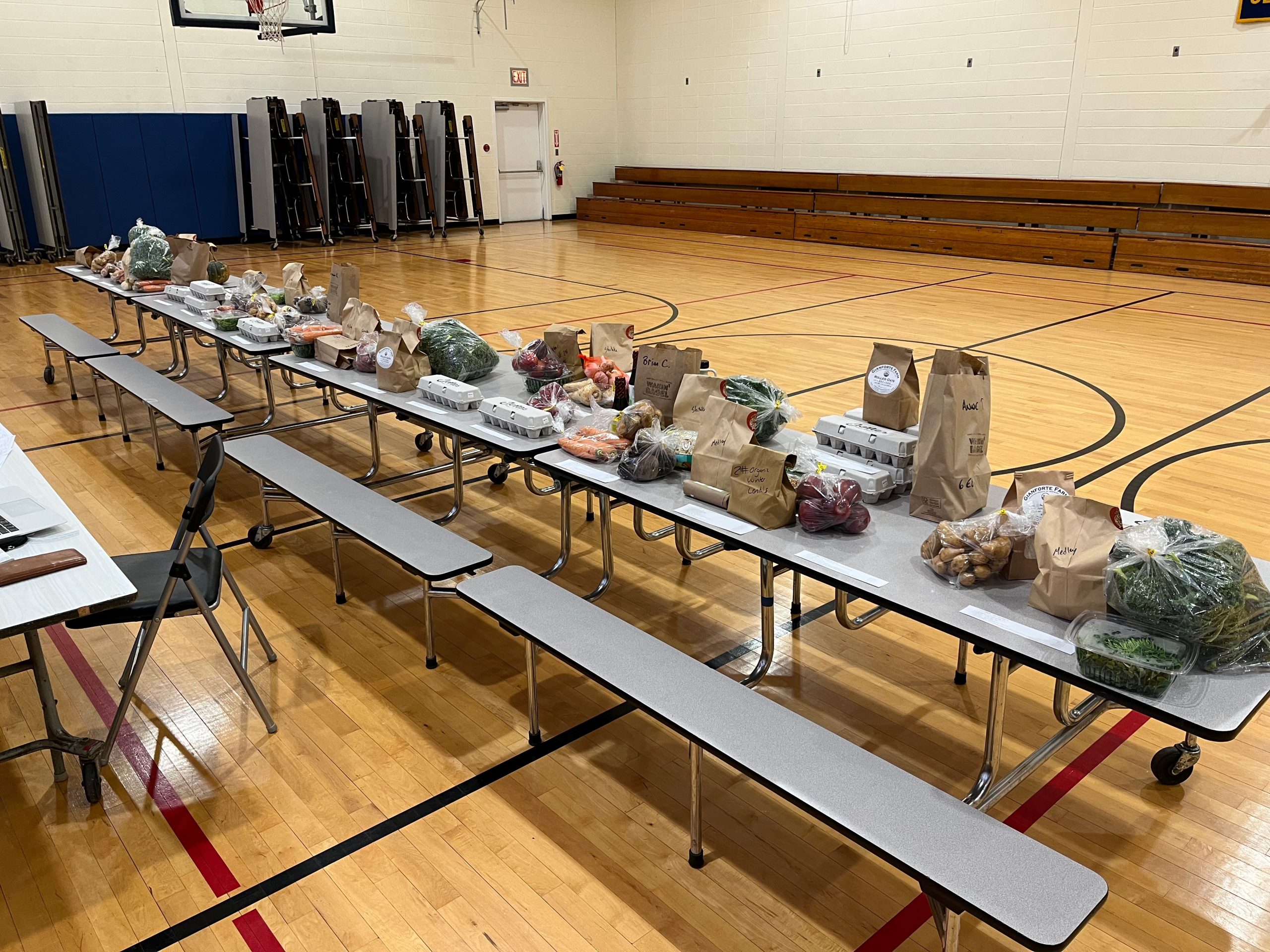
Based in Clinton, Local Foods Mohawk Valley serves as an online farmers market that connects customers directly with local farmers, growers, makers, and artisan food producers throughout the region. Through its easy-to-use online platform, customers can shop a wide range of products including vegetables, fruits, mushrooms, meats, dairy products, eggs, honey, maple products, flowers, herbs, baked goods, and pantry staples, all sourced from local producers.
What makes the concept unique is its focus on convenience. Customers place orders online throughout the week and pick them up at designated community locations, creating a streamlined way to support local agriculture while making fresh food more accessible.
But Local Foods Mohawk Valley is about much more than buying groceries.
The organization was created with a broader mission centered on strengthening local economies, supporting regional farms, improving food transparency, and helping communities become more resilient. Local food systems reduce transportation demands, keep more dollars circulating within local communities, and create stronger connections between consumers and producers.
According to Executive Director Nat Levin, those connections will become increasingly important in the years ahead.
“Supporting local food systems is important for the future of all communities,” Levin says. “Having access to reliable local food sources will become increasingly important as the world becomes more volatile. Local food systems allow people to build relationships with the farms that feed them and to understand where their food comes from.”
Levin believes those direct relationships offer something increasingly valuable: transparency and trust.
“People can see for themselves what kind of stewardship practices farmers use for their land and animals rather than relying on marketing claims or branding,” she says. “Supporting local food creates transparency, trust, and opportunities to express shared values within a community.”
Today, the platform features products from farms and producers throughout Central New York and the Mohawk Valley, including businesses from Clinton, Sauquoit, Frankfort, Sherburne, Hamilton, Barneveld, Cold Brook, Herkimer, Westmoreland, and beyond.
The timing could not be more relevant.
As restaurants increasingly highlight seasonal menus and locally sourced ingredients, consumers have become more interested in understanding the journey from farm to table. Many of the values driving today’s culinary scene, including freshness, sustainability, craftsmanship, and community support, are the same values at the heart of Local Foods Mohawk Valley.
The platform also creates visibility for small farms and specialty producers that may not otherwise have access to larger distribution networks. By bringing these businesses together under one digital marketplace, Local Foods Mohawk Valley helps connect local people with local food while strengthening the region’s agricultural ecosystem.
Levin says one of the most inspiring aspects of the organization’s work has been witnessing the resilience of local farmers.
“We’ve been consistently impressed by how hard farmers work and how resilient they are in the face of what can seem like near-constant challenges,” she says. She points to local producer Jen from Slate Creek Farm, whose barn collapsed under heavy snow in February 2025. While no animals were harmed, the recovery effort was significant. “Yet she kept going without complaint. That kind of dedication is something we see again and again from local producers.”
Looking ahead, Levin sees continued innovation from Mohawk Valley farms and food businesses.
“I think there will continue to be growth in what local producers are offering,” she says. “They’ll keep experimenting with new crop varieties, specialty products, and culturally or regionally specific foods. When customers get excited about these things, it creates a positive feedback loop that encourages continued creativity.”
She also expects more producers to invest in season extension technology that allows them to grow and sell food for more months of the year.
“Generally speaking, I think the Mohawk Valley is evolving into a place where local food is more deeply integrated into our culture and economy,” Levin says.
In many ways, Local Foods Mohawk Valley represents a growing movement throughout the region, one that values community connections, supports local entrepreneurship, and recognizes that some of the Mohawk Valley’s greatest assets can be found close to home.
Whether it is a chef sourcing seasonal ingredients, a family shopping for fresh produce, or a farmer bringing products directly to market, Local Foods Mohawk Valley is helping strengthen the connections that make local food possible. As the Mohawk Valley’s restaurant and food culture continues to grow, those connections are becoming more important than ever.
For more information, visit LocalFoodsMohawkValley.com.
